



Why don’t insights stick?
Corporate training sessions increasingly feature frameworks like SWOT and 5C analysis.
Managers and staff spend valuable time articulating strengths and challenges, mapping out the current state of their organization.
Yet the session often ends with a familiar phrase:
“That was insightful. I’ll try to apply it in my work.”
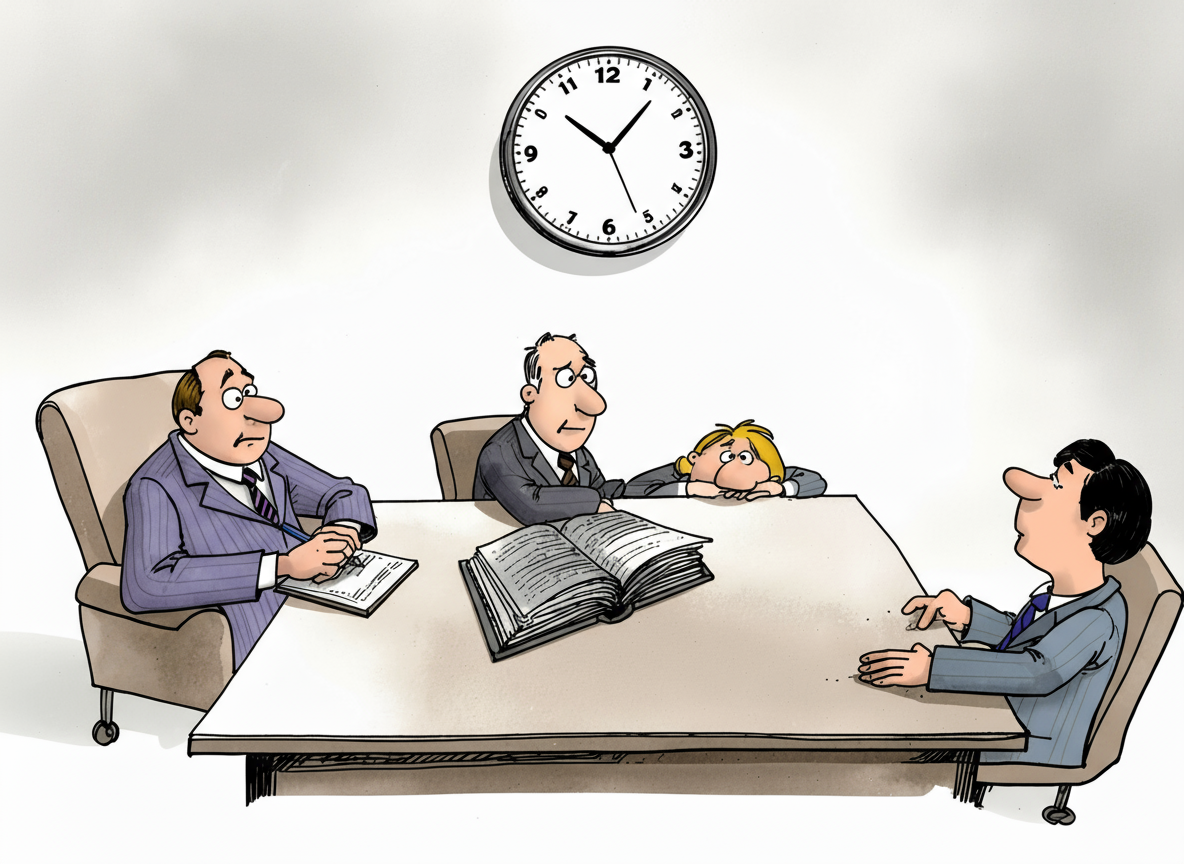
After that, the analysis is rarely revisited.
The insights fade, and few make it into actual strategy or operations.
Why don’t insights stick?
Why do even the most thoughtful diagnoses fail to reach the field
Frameworks are only the entry point
SWOT and 5C are tools for visualizing organizational conditions.
But they are merely entry points for awareness, not exit points for strategy.
To elevate insights into strategy, we need structuring, translation, and operational design.
In other words: “How do we apply this insight?”, “Who will use it?”, “In what context will it matter?”
Most organizations lack people who can bridge that gap.
They can run the frameworks, but they struggle to translate them into business strategy or executive decisions.
Insights, unless translated, remain unused.
Without design, they never reach the right moment or person.
Design for implementation
To prevent training outcomes from fading, we must design connections to operations.
For example:
- Use the analysis results to propose improvement actions in weekly meetings
- Have a representative present the findings and proposals in key decision-making forums
- Create a company-wide presentation moment to drive execution and accountability
These steps turn frameworks into tools that are actually used.
Tools like Wevox or Kaonavi can support ongoing monitoring.
But tools are just means of visibility and continuity—without initial translation, they remain inert.
Translator of structure
I’ve worked as a vendor providing MA tools to the real estate industry,
observing sales processes and organizational structures from the outside.
I’ve also led internal implementations of attendance and financial management systems.
And I’ve seen firsthand: no matter how powerful the tool or framework,
if it doesn’t fit the organization’s structure and culture, it won’t stick.
That’s why I position myself as a translator of structure,
and as a designer of expression—helping ideas and tools take root inside organizations.
Not just implementation support,
but translation into the organization’s language,
refinement into usable formats, and design of the moments where they’ll be used.
Turning training insights into formal meeting materials.
Designing presentation structures for all-staff announcements.
Crafting documents that move decisions.
Designing the flow from insight to execution
Frameworks are just the beginning.
To turn them into strategy, we need translation and design.
And when someone takes on that role, training becomes a strategic trigger.
Insight becomes proposal.
Proposal becomes execution.
Designing that flow is the true value of organizational diagnosis
In your organization, are training insights being elevated into strategy?