


“Use AI,” They Say. But What Does That Really Mean?
You’ve probably heard it:
“Use AI.”
“Make things more efficient.”
It’s become a kind of moral imperative in business.
But here’s the irony — those who say it most often are the ones who understand it least.
They copy and paste AI-generated content without editing, without reflection.
They treat AI like a vending machine for answers.
What’s missing is dialogue.
What’s missing is ownership.
To truly use AI is to respond to its questions, reshape your own thinking, and rewrite your narrative.
AI Usage Isn’t Just About Tools — It’s About Language
Inside organizations, AI usage varies wildly by department.
Why? Because each team has its own language, its own way of framing problems.
- Admin teams often see AI as a tool for automation and accuracy.
- Creative teams treat it as a partner for brainstorming and exploration.
Both are valid.
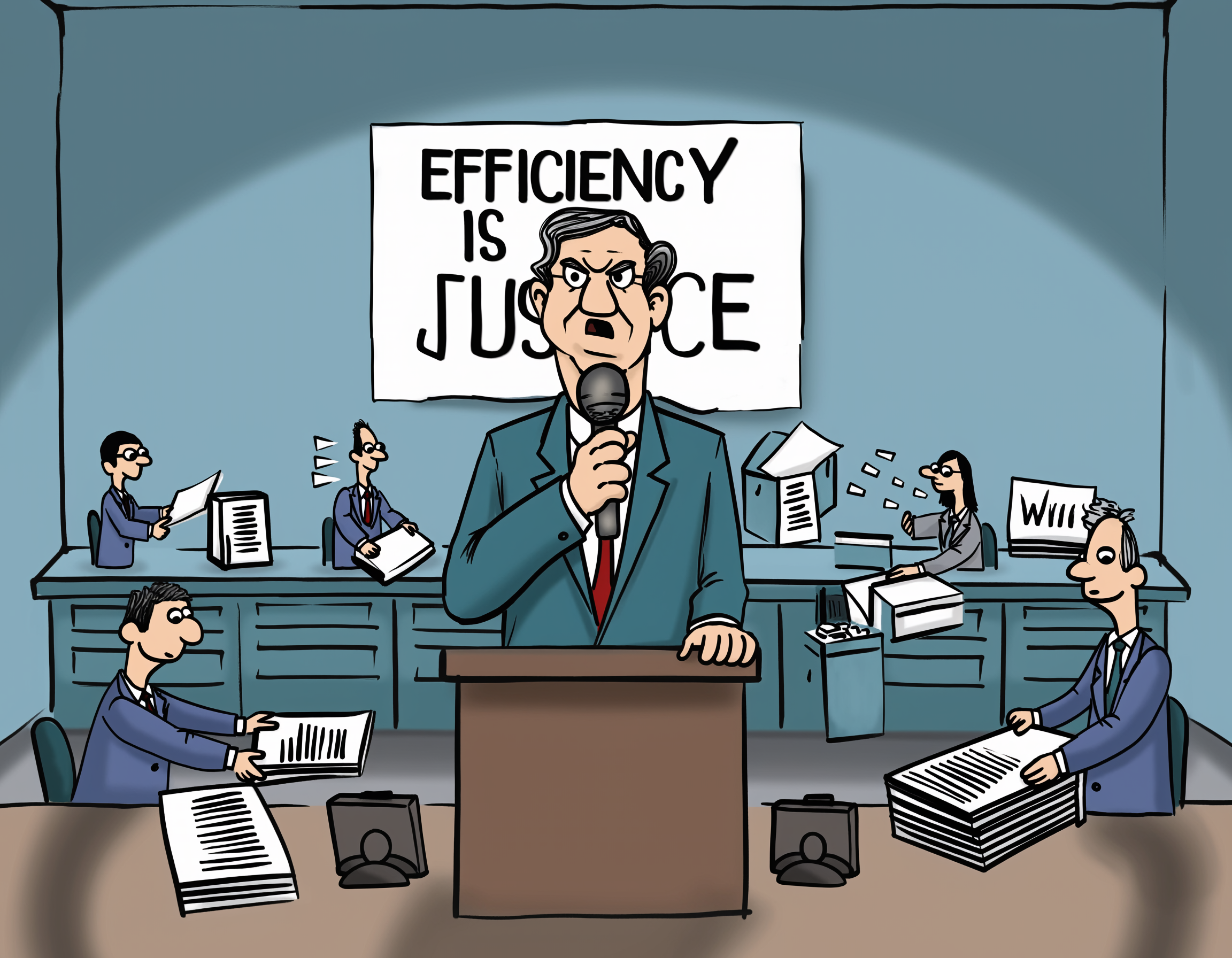
But here’s the catch: efficiency alone doesn’t build the future.
Even Admin Teams Need a Narrative of Change
If admin teams only use AI to speed things up, they miss its deeper potential.
AI can ask uncomfortable questions:
- Why does this task exist?
- Is there a better way?
- Should humans even be doing this?
These aren’t technical questions.
They’re structural.
And whether a team can engage with them determines whether it evolves — or stagnates.
This Isn’t Just About Companies. It’s About Nations.
The way we talk about AI reflects deeper cultural narratives.
- In the U.S., AI is framed around freedom and creativity.
- In China, it’s about order and optimization.
These aren’t just policy differences.
They’re competing visions of the future.
But at the organizational level, we can choose our own narrative.
We can design our own language.
The Way We Talk About AI Changes Its Value
Using AI isn’t just about choosing the right tool.
It’s about choosing the right framing.
- Admin teams can use AI to redesign workflows — not just automate them.
- Creative teams can use AI to validate ideas — not just generate them.
- Companies can use AI to reflect their values — not just follow trends.
The way we talk about AI shapes how we trust it — and how we evolve with it.
The Future Begins with a Question
Efficiency vs transformation.
Management vs creativity.
Nation vs enterprise.
Between these poles, we have a choice:
What do we believe?
How do we act?
The future begins with the questions we’re willing to ask.