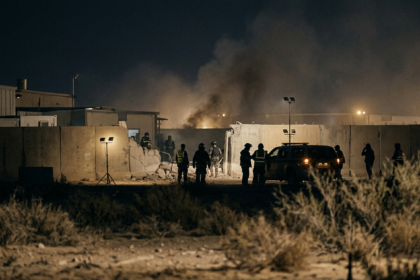



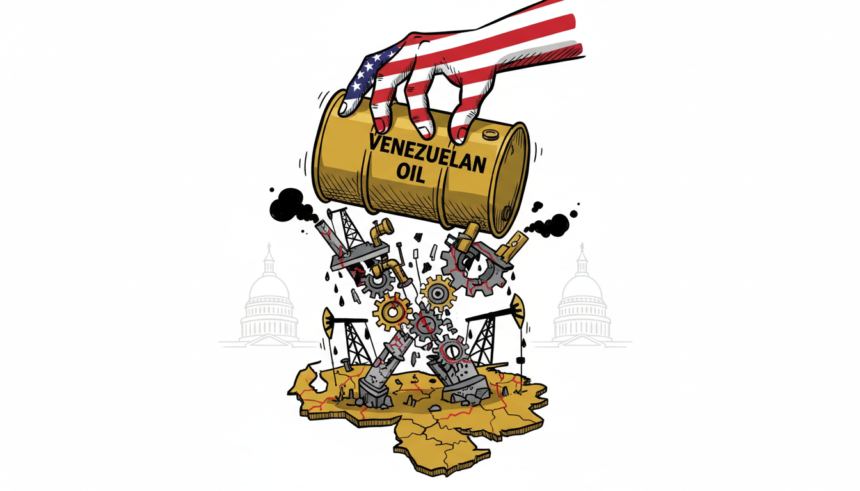
The United States has begun selling the Venezuelan oil it seized.
The first sale is estimated at around $500 million, with more expected.
With military action, the capture of senior leadership, and now the liquidation of seized resources, the question is no longer whether the U.S. has intervened. The real issue is whether deeper involvement is strategically justified.
The core of Venezuela’s crisis is not political ideology but the collapse of its oil‑dependent economic structure.
A state that relied on oil for the vast majority of its revenue and exports could not withstand the 2014 price crash. GDP contracted sharply, hyperinflation accelerated, and the currency ceased to function. This is not a problem military force can repair.
The refugee crisis follows the same structural logic.
People fled not primarily because of political persecution, but because basic infrastructure—electricity, food supply, medical systems—had collapsed. Any escalation would intensify this dynamic and worsen the migration pressures the U.S. already faces.
China and Russia are also not expanding their influence in Venezuela.
China halted new lending after oil‑backed loans went into default, and Russia lacks the capacity to sustain involvement due to the war in Ukraine. The geopolitical rationale for deeper U.S. intervention is far weaker than commonly assumed.
Considering these structural factors, deeper military involvement offers the U.S. high costs and limited returns.
The strategic value of Venezuelan oil is modest, and rebuilding the sector would require enormous investment. The risks—regional instability, rising anti‑American sentiment, and long‑term entanglement—are far greater.
👉 The full article is available exclusively to Medium members.
Read more here:
The United States Has Started Selling Venezuelan Oil — But Further Intervention Is Unnecessary