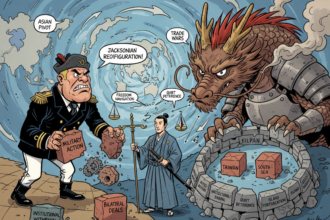



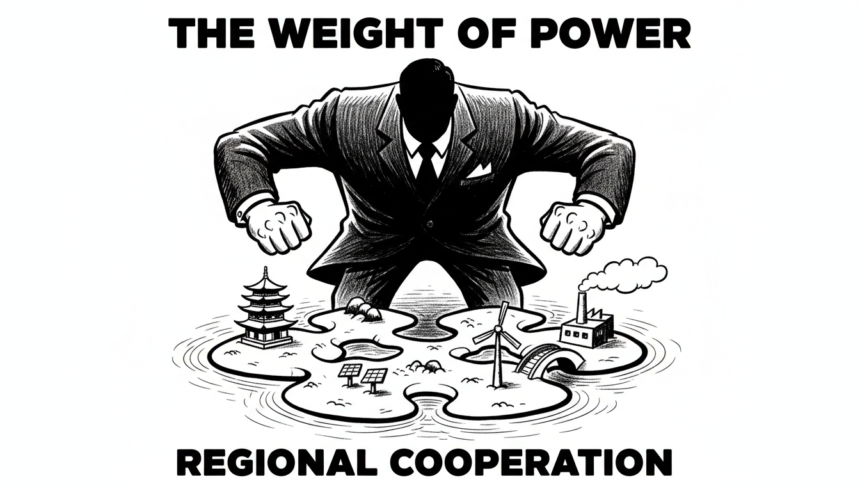
In international politics, one principle consistently holds true: as long as a war is ongoing, sovereignty and territorial status cannot be determined by unilateral declarations. Wartime statements function as political messages—tools to maintain alliances, influence public opinion, and justify continued conflict. They are not legal decisions.
This principle remains central to today’s global landscape. When many countries state that “unilateral changes to the status quo by force are unacceptable” in response to Russia’s invasion of Ukraine, they are not referring to any specific region. They are reaffirming a postwar norm: the international order is shaped through agreement, not coercion.
The history of Taiwan illustrates this structure clearly. Taiwan’s status was discussed in formal postwar negotiations, yet no final agreement was reached due to Cold War dynamics and disputes over Chinese representation. This outcome highlights the distinction between wartime political messaging and postwar legal decisions—a distinction that continues to shape international politics today.
Wartime slogans and historical ideals may serve as rallying cries, but they do not determine sovereignty. Territorial questions are settled only in formal, internationally recognized settings. This principle has guided the postwar world for decades, and it remains essential for navigating contemporary geopolitical issues.
👉 The full article is available exclusively to Medium.
Read more here:
The World Is Shaped Through Agreement, Not Coercion